今天来月经的第二天,一整天头都晕晕的。想着明天需要交的圣诞菜(红烧肉与蛋),一道简单的菜。就开始动起手来了。结果一转眼的功夫,又把红烧肉烧糊了。害得我又得拖着疲累的身体跑一趟大亚洲。
想起以前看的一个节目叫“一千种死亡方式”。讲的是各种奇奇怪怪的非正常死亡,节目嘲笑相当一部分人死得很愚蠢。印象深刻的是两个伐木工人,在太阳下干了一天的活,他们的工作是扛完树把树枝送到碎木机搅碎成木屑。在太阳下干了一天的活,两人都疲倦不堪。这时碎木机不知怎么搞的堵住了,不动了。其中一个工人也没多想,伸出一只脚想把木头往机器里捅,悲剧的是,这时机器突然启动了,那只伸进去的脚连同身体被机器卷进去,机器地喷口吐出来的也不止是不屑,还有一大滩的血肉,场面很血腥。
其实我觉得并不是工人愚蠢,而是在疲倦的身体下,人的大脑也真是失去了思考判断的能力,仅仅靠本能和自觉做事了。
所以说,当你身体精神不在状态下,最好停止做事,等身体恢复了再说,否则可能造成事故和意外,那就得不偿失了。
Tuesday, December 23, 2014

Tuesday, December 2, 2014
说说美国同事的邻居之战 (2006)
同事Jeff, 跟他的邻居积怨已久. 起因是以前邻居在他们两家的交界处种了一排的树, 那些树哗啦啦的把叶子掉到Jeff的院子.Jeff很不爽, 跑去跟邻居抱怨, 邻居置之不理. Jeff也不是好欺负的主, 他于是去买了一瓶农药, 偷偷地浇在那些树上.不过那些树病了几天后居然挣扎地活过来了.
过了不久, Jeff发现他院子里名贵的花死掉了, 那些花还是他装门请人每周过来养护. 养花的人做一番研究后告诉他他的花被下毒了. 不用说, Jeff当然知道是谁干的. 两家人从此结仇.
过了不久, Jeff发现他院子里名贵的花死掉了, 那些花还是他装门请人每周过来养护. 养花的人做一番研究后告诉他他的花被下毒了. 不用说, Jeff当然知道是谁干的. 两家人从此结仇.
前几个月Jeff在他的院子里建了一个很大的储藏间. 可能挡住了邻居的一些观赏湖景的视线. (他们都是湖边的房子). 邻居告到county, county的人也就问了Jeff一声, 也没当回事. Jeff还是很生气, 跑去警告他的邻居说: 不要捣乱我的储藏间, 我也不会去捣乱你们的dock. (邻居造了一个dock超过了他们自家的地界, 伸到Jeff的地域来了). 邻居同意了.
前几周邻居卖房子, 决定搬走. 邻里处不来, 住了也不爽. 房子已经under the contract. 邻居想这下可以再让你难受一下子, 反正房子已经卖掉了, 不怕你告我的dart. 他们于是又跑去跟county抱怨, 说Jeff造储藏间 没有拿许可. 这下county重视了, 派人来查看, 下令Jeff把储藏间搬走. Jeff气坏了, 因为他的储藏间 好大, 搬动要花费好几千块钱. 这怎么行, 好, 你狠, 看看谁更狠. 他立即请了律师告邻居家的dart, 同时维护自己的储藏间. 按照法律, 如果房子是under the lawsuit, 这个房子不能卖. 所以Jeff的律师通知了买家, 买家当然不愿意纠缠进这官司就撤了. 这一招是够狠的, 一来邻居的房子不能卖出去了, 二来他们如果被迫拆掉dart的话, 会损失很惨, 因为没有dock, 房子的价值会降好多.
现在还不晓得谁输谁赢.只知道律师肯定是赢家的. 但从这个故事我们可以学到了很多事情.
1. 睦邻关系很重要.
2. 在自己房子改动什么都可能需要申请许可才行.
3. Under the lawsuit 的房子不可以出卖.
4. 法律是很强有力的武器.
1. 睦邻关系很重要.
2. 在自己房子改动什么都可能需要申请许可才行.
3. Under the lawsuit 的房子不可以出卖.
4. 法律是很强有力的武器.
Kitchen backsplash DIY (2010)
花费时间一周半, 每天做两三个小时. 总共材料费包括工具$200多, 全部是二手材料在craigslist上买, 用了三种tiles. 在家坛这算是最简单的DIY project了, 两个不Handy的人连滚带爬完成的. 看一下, 至少比以前的墙壁强. 忘记照before了, before就是红色黄色的墙.

今年感恩节晚餐总结
今年准备感恩节, 7 个大人,两个小孩。
准备食物如下:
Appetizer:
起先是想做 crab pie, 老公说很容易做,不值得买现成的。结果不巧costco没卖can crab meat. 后来我就想改成春卷。按毛毛妈的方子在前一天准备了馅料。在感恩节那天上午包好放一边等着开饭前煎,这样才回脆。 结果到煎的时候包好的春卷皮被里面的汤汁浸泡过,一炸就破。原来现包现煎效果很好。可是时间又不允许我现包现煎。所以这样的appetitzer可能下次不能采用了。味道倒是不错,Satish喜欢吃,看他拿了好几个。
Salad:
Brousel sprout + spinach + roasted sugar coated peacan + cranberry, 然后自己调配的salad dressing. 本来这之前我试验过了, 老公说很好吃。结果到那天的时候切完所有的菜交给老公拌。结果他忘了放peacan.
Main course:
Turkey: 感觉老公火鸡好像也没做好。味道很淡。
香菇小芥兰菜
婆婆的油饭
家常豆腐: 这道菜的豆腐煎之前蘸水淀粉煎就行了。我直接蘸淀粉了。煎起来太厚的一层。这道菜还没有掌握好,基本上没人吃。其实也不是那么差的,就是菜太多了。
海鲜酸辣汤: 这道仿造Great Wall中餐馆的菜算是比较成功的一道菜了。但是老公把scalop 拿去microwave defrost 是个败笔,拿出来的时候基本上已经熟了。所以scalop 要前一天拿出来化冻。
冷盘的牛踺子做完也没呈上。太多菜了。
Side dish:
糖醋辣黄瓜: 这个其实做的不错。做完也没拿出来。
Mashed sweet potato: 这个还不错,老公做的。
Macroni cheese with king crab: 老公买了$18/lb 的king crab, 结果孩子们只喜欢吃没有crab的那部分。
Satish 做了一道spicy goat, 一个甜点,和一盆印度米。
我还做了个apple pie, 结果没有烤透,里面苹果还没软化。我总觉得那个大的stove有问题, 烤半天就是没什么动静。
做感恩大餐花了整整两天时间,后面又花了一周吃剩下的食物。现在真的不很喜欢过这些节日了。这些俗节不能免,劳心劳力又不讨好身体。滥吃滥喝一顿而已。就是孩子们喜欢罢了。
准备食物如下:
Appetizer:
起先是想做 crab pie, 老公说很容易做,不值得买现成的。结果不巧costco没卖can crab meat. 后来我就想改成春卷。按毛毛妈的方子在前一天准备了馅料。在感恩节那天上午包好放一边等着开饭前煎,这样才回脆。 结果到煎的时候包好的春卷皮被里面的汤汁浸泡过,一炸就破。原来现包现煎效果很好。可是时间又不允许我现包现煎。所以这样的appetitzer可能下次不能采用了。味道倒是不错,Satish喜欢吃,看他拿了好几个。
Salad:
Brousel sprout + spinach + roasted sugar coated peacan + cranberry, 然后自己调配的salad dressing. 本来这之前我试验过了, 老公说很好吃。结果到那天的时候切完所有的菜交给老公拌。结果他忘了放peacan.
Main course:
Turkey: 感觉老公火鸡好像也没做好。味道很淡。
香菇小芥兰菜
婆婆的油饭
家常豆腐: 这道菜的豆腐煎之前蘸水淀粉煎就行了。我直接蘸淀粉了。煎起来太厚的一层。这道菜还没有掌握好,基本上没人吃。其实也不是那么差的,就是菜太多了。
海鲜酸辣汤: 这道仿造Great Wall中餐馆的菜算是比较成功的一道菜了。但是老公把scalop 拿去microwave defrost 是个败笔,拿出来的时候基本上已经熟了。所以scalop 要前一天拿出来化冻。
冷盘的牛踺子做完也没呈上。太多菜了。
Side dish:
糖醋辣黄瓜: 这个其实做的不错。做完也没拿出来。
Mashed sweet potato: 这个还不错,老公做的。
Macroni cheese with king crab: 老公买了$18/lb 的king crab, 结果孩子们只喜欢吃没有crab的那部分。
Satish 做了一道spicy goat, 一个甜点,和一盆印度米。
我还做了个apple pie, 结果没有烤透,里面苹果还没软化。我总觉得那个大的stove有问题, 烤半天就是没什么动静。
做感恩大餐花了整整两天时间,后面又花了一周吃剩下的食物。现在真的不很喜欢过这些节日了。这些俗节不能免,劳心劳力又不讨好身体。滥吃滥喝一顿而已。就是孩子们喜欢罢了。
乱评王菲的爱情
李亚鹏就不该去追王菲,当初跟周迅多好。周迅比较适合他。
窦唯不是那么爱王菲,所以出轨了。王菲不是那么爱李亚鹏,所以离了。
感觉王菲和谢霆峰在彼此的感情方面比较对等。两人确实是互相爱着的。这么多年了,王菲没什么变化,谢霆锋却成熟起来了。挺好的,祝福他们轰轰烈烈地再爱一场。
至于两人的孩子,以他们的经济实力,相信他们的小孩在离异的家庭也能够很好地成长的。毕竟父母的名气会给他们创造出其他一般父母不能给的条件。而且追求自己的爱情和疼爱自己的孩子并没有冲突啊。
窦唯不是那么爱王菲,所以出轨了。王菲不是那么爱李亚鹏,所以离了。
感觉王菲和谢霆峰在彼此的感情方面比较对等。两人确实是互相爱着的。这么多年了,王菲没什么变化,谢霆锋却成熟起来了。挺好的,祝福他们轰轰烈烈地再爱一场。
至于两人的孩子,以他们的经济实力,相信他们的小孩在离异的家庭也能够很好地成长的。毕竟父母的名气会给他们创造出其他一般父母不能给的条件。而且追求自己的爱情和疼爱自己的孩子并没有冲突啊。
Thursday, August 28, 2014
Reading note of "Your creative writing project" by Dana Meachen Rau
ch 1 Collecting the ideas:
1. Personal narrative tells about an experience in your own life.
2. A fiction story is a story you make up.
3. A poem has many forms.
Collect everyday experience in your backpack.
You could turn your real experiences into fictional ones. Maybe instead of walking a dog, you're taking your pet dragon for a walk.
One word can lead to an idea.
Two words can lead to an idea.
A picture can lead to an idea.
Write your ideas down if you think you'll forget about them.
Ch2 Unpacking your ideas:
Characters, setting and a plot.
Beginning, middle and an end.
pre-writing----making a writing plan.
For a personal narrative, you can make a problem and solution chart
Problem Solutions Result
For a fiction story, you can use a 5W chart to plan your characters, setting, and plot.
Who? (characters)
Where? (setting)
When? (setting)
What? (plot)
Why? (detail)
As you prewrite, it is important to think about the theme of your piece. Your theme is your main message. What do you want readers to learn from your story or poem? for example, what would be the theme of a personal narrative about your first day at a new school? It could be "bravery" or maybe even "fear".
The writer's process
1. Prewriting: organizing your thoughts and making a writing plan
2. Drafting: creating the first version of your story, narrative, or poem
3. Revising: making your piece better
4. Peer review: getting feedback from other writers
5. Publishing: sharing your work with readers
Ch3. who and where: characters and setting
Characters can be people, animals, objects or something in nature.
Character can be based on the people you know, can be based on strangers, too.
"Writing is seeing. It is paying attention."
Try not to tell but shows. Write about what a character actually says and does. Show your characters' behavior - What they do.
Show and tell exercise:
Tell
I was hungry.
Show
My tummy was rumbling.
I shoved the bread into my mouth, took a gulp of milk before she even finished chewing.
Setting is where and when your narrative, story or poem happens. As you plan your setting, think about the mood you want to create. The mood is the feeling that your reader gets from your writing. If your setting is a spooky cave, use words that make it sound spooky. Don't describe how the walls are brown or rough. Instead, talk about the silent shadows and the dark corners.
As you add details, don't just think about how the setting looks. what about your other senses?
Setting brainstorm
Setting: My sleeping bag
I see: the blue plaid pattern
I hear: the swishy sound it makes when I move
It smells: musty like my basement where we store it.
I taste the s'mores I ate before bed.
I feel the silky fabric on the outside and the soft flannel inside.
Research: Filling up your backpack.
When you use new information, you have to be careful to write it in your own words. Plagiarism is taking someone else's words or ideas and calling them your own.
Get Tense! Past tense, present tense, future tense.
Ch4. What's the story?
Beginning: A good story starts with a bold beginning. First, you need to make your readers want to read more. Then you have to provide some background. In the beginning, you will introduce your characters and the setting. You should also introduce the story's main problem.
Buildup: In the buildup of your story, your character tries to solve the problem. You can do this by building suspense. Suspense is when you can't wait to find out what happens.
Climax: the most important or exciting moment of the story. The reader finds out how the problem gets solved.
ending
Poem: Rhyme, rhythm, repetition
Ch5: Revision
add details--expanding
taking out words --- tightening
replace some words with better ones.
don't be afraid to make big changes to your writing. This is what revision is all about.
Helpful writing techniques
Alliteration: repeating the first sound in a word
Snakes slither silently
Personification: talking about an object as if it is a person
The leaf danced in the wind.
Hyperbole: exaggerating the truth.
This line must be 60miles long.
1. Personal narrative tells about an experience in your own life.
2. A fiction story is a story you make up.
3. A poem has many forms.
Collect everyday experience in your backpack.
You could turn your real experiences into fictional ones. Maybe instead of walking a dog, you're taking your pet dragon for a walk.
One word can lead to an idea.
Two words can lead to an idea.
A picture can lead to an idea.
Write your ideas down if you think you'll forget about them.
Ch2 Unpacking your ideas:
Characters, setting and a plot.
Beginning, middle and an end.
pre-writing----making a writing plan.
For a personal narrative, you can make a problem and solution chart
Problem Solutions Result
For a fiction story, you can use a 5W chart to plan your characters, setting, and plot.
Who? (characters)
Where? (setting)
When? (setting)
What? (plot)
Why? (detail)
As you prewrite, it is important to think about the theme of your piece. Your theme is your main message. What do you want readers to learn from your story or poem? for example, what would be the theme of a personal narrative about your first day at a new school? It could be "bravery" or maybe even "fear".
The writer's process
1. Prewriting: organizing your thoughts and making a writing plan
2. Drafting: creating the first version of your story, narrative, or poem
3. Revising: making your piece better
4. Peer review: getting feedback from other writers
5. Publishing: sharing your work with readers
Ch3. who and where: characters and setting
Characters can be people, animals, objects or something in nature.
Character can be based on the people you know, can be based on strangers, too.
"Writing is seeing. It is paying attention."
Try not to tell but shows. Write about what a character actually says and does. Show your characters' behavior - What they do.
Show and tell exercise:
Tell
I was hungry.
Show
My tummy was rumbling.
I shoved the bread into my mouth, took a gulp of milk before she even finished chewing.
Setting is where and when your narrative, story or poem happens. As you plan your setting, think about the mood you want to create. The mood is the feeling that your reader gets from your writing. If your setting is a spooky cave, use words that make it sound spooky. Don't describe how the walls are brown or rough. Instead, talk about the silent shadows and the dark corners.
As you add details, don't just think about how the setting looks. what about your other senses?
Setting brainstorm
Setting: My sleeping bag
I see: the blue plaid pattern
I hear: the swishy sound it makes when I move
It smells: musty like my basement where we store it.
I taste the s'mores I ate before bed.
I feel the silky fabric on the outside and the soft flannel inside.
Research: Filling up your backpack.
When you use new information, you have to be careful to write it in your own words. Plagiarism is taking someone else's words or ideas and calling them your own.
Get Tense! Past tense, present tense, future tense.
Ch4. What's the story?
Beginning: A good story starts with a bold beginning. First, you need to make your readers want to read more. Then you have to provide some background. In the beginning, you will introduce your characters and the setting. You should also introduce the story's main problem.
Buildup: In the buildup of your story, your character tries to solve the problem. You can do this by building suspense. Suspense is when you can't wait to find out what happens.
Climax: the most important or exciting moment of the story. The reader finds out how the problem gets solved.
ending
Poem: Rhyme, rhythm, repetition
Ch5: Revision
add details--expanding
taking out words --- tightening
replace some words with better ones.
don't be afraid to make big changes to your writing. This is what revision is all about.
Helpful writing techniques
Alliteration: repeating the first sound in a word
Snakes slither silently
Personification: talking about an object as if it is a person
The leaf danced in the wind.
Hyperbole: exaggerating the truth.
This line must be 60miles long.
Tuesday, August 12, 2014
Aiden's book
THE STORY OF me
I love my house.
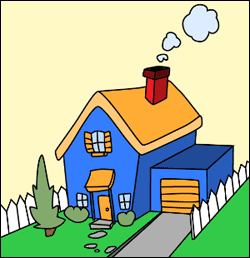
I love watching TV.

I like watching iPad too.
I like to eat my favorite food dumplings and watermelon.

and I do work and exercise.

THE END the story of me
Subscribe to:
Posts (Atom)